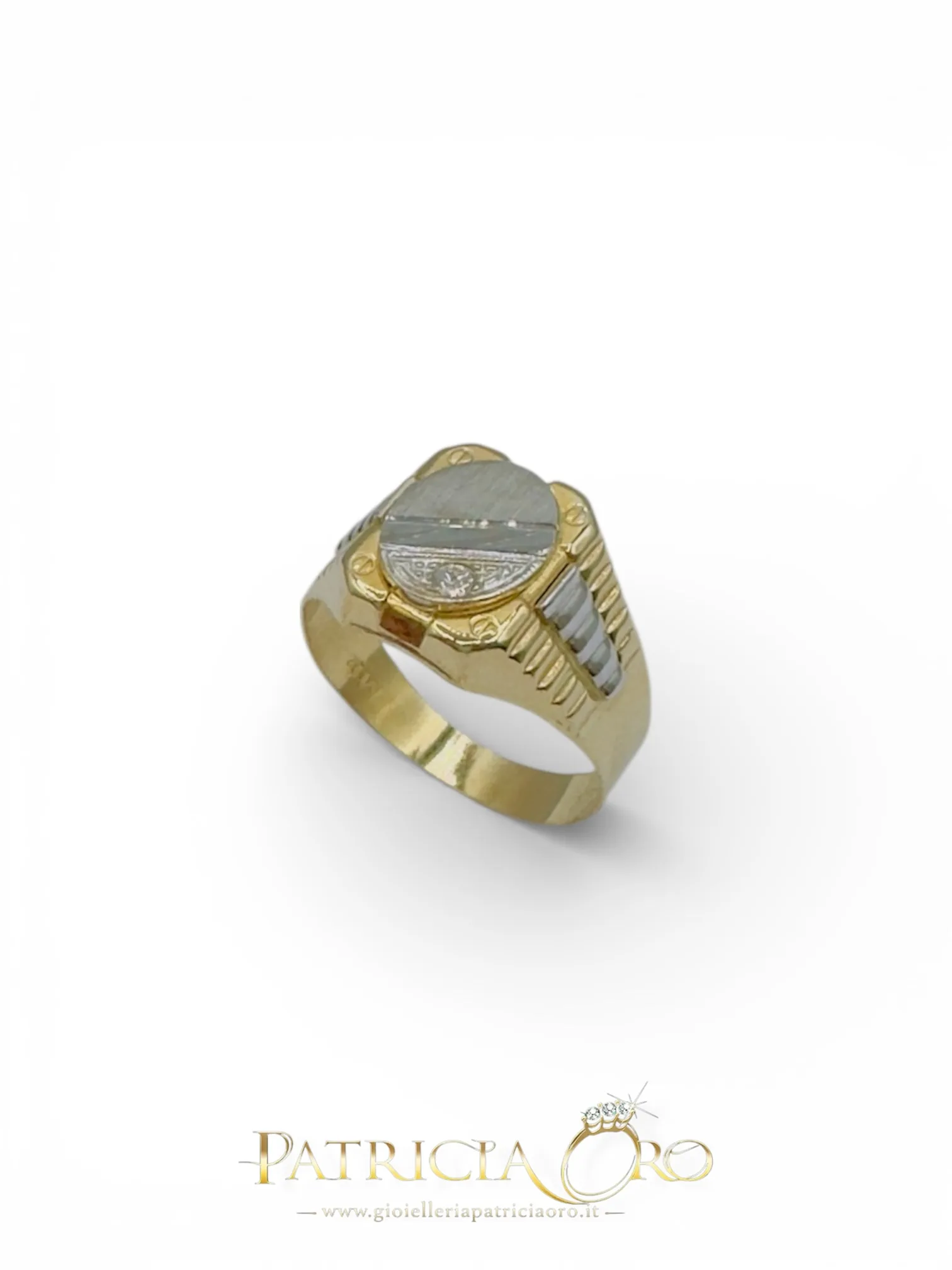
Why 18-Karat Gold Actually Behaives Better—A Metallurgist’s Take

Gold is soft. Pure 24-karat gold is so malleable that a single gram can be hammered into a one-square-metre sheet. Yet fine jewellery rarely uses it. The reason lies in a startling fact: 18-karat gold—75% pure gold alloyed with silver, copper or palladium—is actually harder than 24-karat gold by nearly 40 Vickers points on the hardness scale. This isn’t just a technical footnote; it is the core reason why an 18-karat ring holds its shape, resists scratching and keeps a gemstone securely in its setting for decades.
The Alchemy of the Perfect Alloy
Add copper to gold and the resulting mix becomes more than the sum of its parts. The copper atoms lock into gold’s crystal lattice, creating a structure that resists deformation under pressure. This is why an 18-karat chain won’t stretch out of shape under its own weight, and why a prong-set diamond won’t loosen after a few years of wear. The alloying also alters the colour: a higher copper content produces the warm, deep rose of ‘red gold’, while nickel or palladium yields a cool, almost silvery white. At Gioielleria Patricia Oro, we select specific alloys not just for aesthetics but for functional longevity—a platinum-white alloy for engagement rings that will endure daily bumps, and a coppery rose for signet rings that develop a subtle patina over time.
A Question of Weight and Feel
Because 18-karat gold is denser than lower carats, a simple 18-karat band feels satisfyingly solid in the hand—a dense, almost liquid weight that signals quality without shouting. Compare it to 9-karat gold: the latter contains over 40% base metals, making it lighter, harder to polish to a mirror finish, and prone to allergic reactions in some wearers due to its nickel content. Italian law long mandated 18-karat as the minimum for any piece stamped ‘gold’, a tradition rooted in the understanding that a ring or bracelet should last not just one lifetime, but two. This is why many vintage Italian pieces from the 1950s still look fresh today: the alloy was chosen to endure.
When you buy an 18-karat chain, you are buying a piece that flexes without fatiguing: the metal ‘works’ with your body rather than against it. A well-made 18-karat link, such as a Venetian or rolo chain, has a particular acoustic signature—a soft, dense clink rather than a tinny rattle. That sound is the confirmation of a correct alloy ratio. For those who prefer a warm, earthy tone, the ‘yellow’ 18-karat alloy used by our workshops in Valenza contains a precise 12.5% silver and 12.5% copper, a formula unchanged since the 19th century because it simply cannot be improved upon for wear resistance and colour stability.
The Gift that Outlasts the Giver
Choosing 18-karat gold for a gift is an act of long-term thinking. A thin 18-karat bangle, for example, can be worn every day for thirty years without needing re-tipping of its clasp. The metal’s inertness means it won’t tarnish, fade or react to perfumes or sea air—unlike silver, which requires regular polishing. As an evergreen investment, 18-karat gold combines the psychological comfort of a high-purity metal with the physical resilience needed for active, modern life. It is the quiet workhorse of fine jewellery, and it is precisely this unshowy durability that makes it the most intelligent choice.